An indie artist spotlight is more than a profile. It is a structured narrative that helps listeners discover, understand, and emotionally connect with an independent musician. In a crowded music landscape, attention is limited. A well-crafted spotlight becomes a bridge between emerging talent and new audiences. The goal is not just to inform. It is to position the artist in a way that feels authentic, memorable, and relevant. Strong spotlights help artists grow visibility, while also helping audiences find music that resonates beyond algorithms and playlists. To achieve this, every indie artist spotlight needs a thoughtful mix of storytelling, context, visuals, and musical insight. The structure must balance information with emotion while maintaining editorial clarity.
The Purpose of an Indie Artist Spotlight
An indie artist spotlight serves multiple roles at once. It introduces the artist, contextualizes their music, and builds interest for deeper exploration. For artists, it provides exposure that may not come from mainstream channels. For audiences, it creates a curated entry point into new music. For publications or platforms, it strengthens authority in music discovery. The most effective spotlights do more than describe an artist. They position them within a broader creative ecosystem including genre movements, cultural influences, and independent music trends. A strong spotlight also encourages engagement. Readers should leave with curiosity, not closure. They should want to listen, follow, and explore more.
Establishing a Clear Narrative Around the Artist
Identifying the Artist’s Core Story
Every artist has a story, but not every story is clearly defined. A successful indie artist spotlight identifies the central narrative that shapes the artist’s journey. This could be transformation, struggle, experimentation, reinvention, or cultural identity. The key is clarity. The narrative should feel focused rather than scattered. A strong story gives meaning to the music. It helps audiences understand why the artist creates, not just what they create.
Highlighting Personal and Creative Influences
Influences provide depth. They explain how an artist’s sound and identity have developed over time. These influences may include musical genres, specific artists, life experiences, or cultural environments. The goal is not to create a list but to show connection and evolution. When done well, influences help readers recognize patterns in the music. They also help position the artist within a larger creative lineage.
Connecting the Story to the Artist’s Music
A common weakness in artist coverage is separating biography from sound. In a strong spotlight, the two must be connected. Every narrative detail should reinforce something audible in the music. Tone, lyrics, production style, and emotional direction should reflect the story being told. This connection turns abstract biography into meaningful listening context.
Introducing the Artist With Impact
The opening section of an indie artist spotlight carries significant weight. It determines whether readers continue or lose interest. A strong introduction avoids generic statements and immediately establishes identity, tone, and relevance. Instead of saying an artist is “rising” or “talented,” the introduction should show what makes them distinct such as a unique sound, a recent breakthrough, or a defining creative approach. Key background details should be introduced selectively. The goal is not to overwhelm the reader with information but to create intrigue. A strong opening acts like a hook that sets expectations and frames the rest of the spotlight.
Showcasing the Artist’s Musical Identity
An effective indie artist spotlight must clearly define the artist’s musical identity including genre, sound design, lyrical themes, and production choices. However, modern music often resists strict categorization. Instead of forcing labels, it is better to describe sonic characteristics in detail. For example, is the sound minimal or layered? Is it acoustic-driven or electronically influenced? Is it experimental or structured? Differentiation is critical. The spotlight should explain what separates the artist from similar acts, whether through vocal tone, storytelling style, or production technique. Musical identity is not static. It should also reflect evolution because many indie artists shift direction over time, and that growth adds depth to their profile.
Highlighting Notable Releases and Career Milestones
Releases form the backbone of an artist’s public journey. An indie artist spotlight should highlight key works such as singles, EPs, albums, or collaborative projects. Rather than listing everything, focus on milestones that represent growth or change. A breakout single, a critically received EP, or a major collaboration can all serve as anchor points. Live performances and tours are also important because even small independent shows can signal momentum and audience development. Independent achievements matter as well, including playlist placements, awards, viral moments, or self-managed distribution successes. The goal is to present progression rather than a complete discography so readers understand where the artist stands in their journey.
Including Meaningful Artist Insights
Creative Process and Songwriting Approach
Insight into the creative process adds depth to any indie artist spotlight. It shows how music is made, not just what it sounds like. Some artists write lyrics first while others build tracks from production ideas. Some rely on collaboration while others work in isolation. These details make the artist more relatable and their music more engaging.
Challenges Faced During the Artist’s Journey
Challenges add authenticity. Independent artists often navigate limited budgets, distribution barriers, or lack of industry support. Including these challenges helps audiences understand the effort behind the music. It also reinforces the credibility of the artist’s achievements. However, challenges should be framed constructively so the focus remains on resilience and growth.
Future Goals and Artistic Aspirations
Forward-looking insight keeps the spotlight dynamic. It shows that the artist is still evolving. This may include upcoming releases, creative directions, collaborations, or long-term ambitions. Future goals help audiences stay engaged beyond the current moment and create anticipation and continuity.
The Role of Visual Branding in an Artist Spotlight
Visual identity plays a major role in modern music discovery. An indie artist spotlight should address how the artist presents themselves visually through photography, album artwork, and design choices. These elements often reinforce musical themes. Consistency is important because a cohesive visual style strengthens memorability and helps audiences associate imagery with sound. Visual branding should not overshadow the music but instead complement and enhance it. Strong visuals often increase engagement across digital platforms, especially social media and streaming services.
Exploring Audience Connection and Community Building
Independent artists rely heavily on audience engagement. A spotlight should explore how they connect with listeners through social media presence, direct communication, and fan interaction strategies. Authenticity plays a major role because indie audiences often value genuine connection over polished marketing. Community building may include live shows, online groups, or collaborative projects with fans. A strong artist-audience relationship can significantly influence long-term success.
Covering Live Performance and Stage Presence
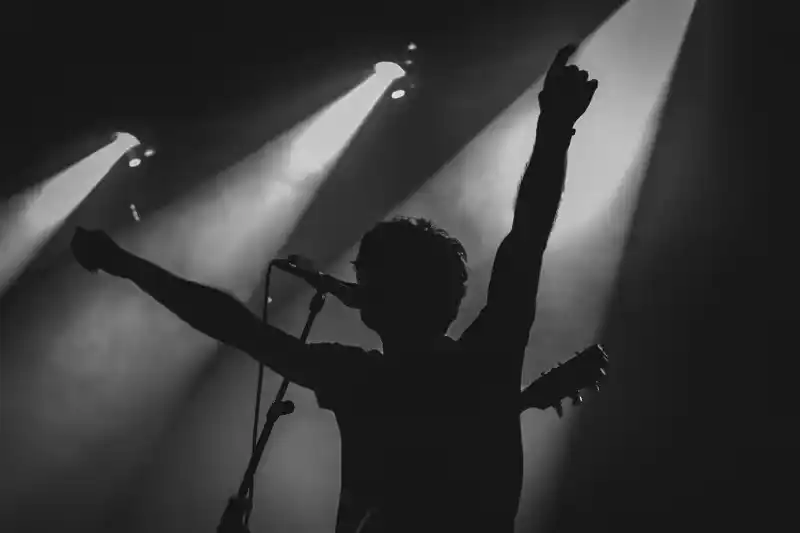
Live performance remains one of the most powerful indicators of artistic identity. An indie artist spotlight should reflect how the artist performs in real settings including stage presence, audience interaction, and performance style. Even small venues or informal performances can reveal important aspects of an artist’s energy and connection. Live music often differs from studio recordings, so highlighting this contrast adds dimension to the spotlight. For many indie artists, live shows are a key driver of growth and recognition.
Demonstrating Industry Relevance and Growth Potential
An effective spotlight also considers where the artist fits within the broader music landscape. This includes momentum indicators such as streaming growth, audience expansion, or industry recognition. Independent marketing strategies such as self-promotion or grassroots campaigns also demonstrate initiative. Distribution choices matter as well because artists using modern platforms creatively often gain an advantage in visibility. Growth potential should be framed realistically and based on current trajectory rather than speculation.
Balancing Objectivity and Promotion
Providing Honest Evaluation Without Bias
A strong indie artist spotlight avoids excessive praise and remains grounded in observation and evidence. Objectivity builds trust with readers and strengthens credibility of the platform publishing the spotlight.
Avoiding Generic Praise and Clichés
Phrases like “unique sound” or “incredible talent” add little value without explanation. Instead, descriptions should be specific because detail matters more than general statements. Clarity helps readers understand what actually makes the artist stand out.
Creating Credibility With Specific Examples
Examples strengthen every claim whether referencing a song, performance, or creative decision. Specificity improves reliability and turns subjective opinion into informed analysis.
Common Mistakes That Weaken Artist Spotlights
Many artist spotlights fail because they focus too heavily on biography without connecting it to music. Others rely on vague language or repetitive descriptions. Another common issue is ignoring broader industry context, which makes the spotlight feel isolated rather than meaningful. Overloading the reader with unnecessary detail can also reduce engagement. Effective spotlights prioritize clarity, relevance, and narrative flow.
Structuring an Indie Artist Spotlight for Maximum Reader Engagement
Structure plays a critical role in readability. Information should flow logically from introduction to deeper insight. A strong spotlight moves from identity to music, then to context and future direction. Transitions should feel natural and each section should build on the previous one. Good structure helps readers stay engaged while absorbing complex information.
Adapting Artist Spotlights for Different Media Platforms
Different platforms require different storytelling approaches. Long-form blogs allow for detailed narrative development while music publications often prioritize concise analysis. Social media spotlights require brevity and visual emphasis. Multimedia approaches including interviews and embedded audio enhance engagement further. Adapting content ensures the spotlight reaches the widest possible audience.
Conclusion
An effective indie artist spotlight is a carefully constructed blend of storytelling, musical analysis, and contextual insight. It introduces the artist while also framing their creative identity within a larger narrative. The most successful spotlights highlight not just who the artist is, but how and why they create. By combining narrative clarity, musical detail, visual context, and audience connection, an indie artist spotlight becomes more than a profile. It becomes a discovery tool. When executed thoughtfully, it supports both the artist’s growth and the audience’s listening experience, creating lasting value on both sides.