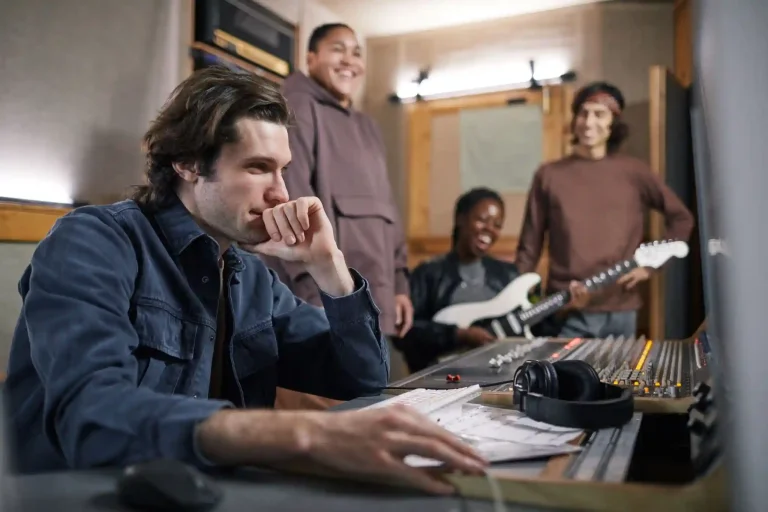

Finding new music used to depend on radio, word of mouth, or record stores. Today, streaming platforms offer endless choices, but that does not always make discovery easier. With so many songs available, it can feel overwhelming to decide what to listen to next. This is where indie music reviews still play an important role. They offer guidance, context, and a human voice in a space filled with algorithms. For listeners who want something different, reviews can be a valuable tool.
The Role of Reviews in Modern Music Discovery
Music reviews help listeners filter through the noise. Instead of randomly choosing tracks, readers can rely on someone who has already spent time with the music. Indie music reviews often focus on artists who are not widely known, which makes them especially useful for discovery. They act as a bridge between creators and listeners, offering curated insights that go beyond automated suggestions and surface-level recommendations.
Human Curation vs Algorithm Suggestions
Algorithms recommend music based on listening habits, but they often repeat patterns rather than introduce something truly new. Human reviewers, on the other hand, bring curiosity and emotion into the process. They can highlight artists who may not fit common trends but still offer something meaningful. Indie music reviews often push listeners outside their comfort zone by suggesting unexpected sounds. This human element adds depth to discovery, making the experience feel more intentional rather than automatic.
Trust and Credibility in Music Writing
Trust builds over time when readers find reviewers whose taste aligns with their own. A good reviewer does not just praise music but explains why something works or does not. This honesty creates credibility. Indie music reviews become reliable when they consistently provide thoughtful analysis and avoid hype. Readers begin to rely on these voices as guides, which makes discovering new artists feel less risky and more rewarding.
How Indie Music Reviews Highlight Emerging Talent
Independent artists often struggle to reach a wide audience. Without strong marketing support, their music can go unnoticed. Reviews help change that by bringing attention to their work. Indie music reviews focus on discovery, often highlighting artists before they gain mainstream recognition. This early exposure can make a significant difference in an artist’s journey.
Early Exposure for Independent Artists
A single well-written review can introduce an artist to a completely new audience. Indie music reviews often appear on blogs and platforms where listeners actively search for new sounds. This creates an opportunity for artists to connect with people who are open to discovery. Early exposure can lead to increased streams, social media growth, and a stronger fan base, all of which are important for long-term success.
Spotlighting Unique Sounds and Styles
Reviewers tend to focus on what makes an artist stand out. This could be a distinct voice, an unusual production style, or a fresh perspective in songwriting. Indie music reviews celebrate these differences rather than pushing artists to fit into a specific mold. This encourages creativity and helps listeners find music that feels new and exciting instead of repetitive.
The Influence of Niche Publications and Blogs
Not all music coverage comes from large media outlets. Smaller blogs and niche publications often play a bigger role in shaping underground trends. These platforms are usually run by passionate individuals who care deeply about music. Indie music reviews from these sources often feel more personal and less influenced by commercial interests.
Independent Media Voices
Independent publications bring diverse perspectives to music criticism. They are not limited by mainstream expectations, which allows them to cover a wider range of artists and styles. Indie music reviews from these voices often highlight music that would otherwise be ignored. This diversity enriches the music landscape and gives listeners more options to explore.
Building Underground Movements
Communities often form around shared musical interests. Reviews help connect listeners who enjoy similar sounds. Over time, this can lead to the growth of underground scenes. Indie music reviews play a role in shaping these movements by consistently supporting certain artists and styles. This creates a sense of identity and belonging among fans.
Social Media and the Spread of Reviews
Social media has made it easier for reviews to reach a global audience. A well-written piece can be shared widely, bringing attention to artists who might not have access to traditional promotion channels. Indie music reviews benefit greatly from this kind of exposure.
Sharing Culture and Viral Discovery
When a review resonates with readers, it often gets shared across platforms. This sharing can create a ripple effect, introducing an artist to thousands of new listeners. Indie music reviews can gain traction quickly, especially when they highlight something unique. This kind of viral discovery helps artists grow without relying on major marketing campaigns.
Reader Interaction and Feedback
Social media also allows readers to interact directly with reviewers. They can share their thoughts, suggest artists, or discuss opinions. This interaction creates a more dynamic experience. Indie music reviews become part of a larger conversation, where listeners and critics exchange ideas and shape each other’s perspectives.
The Depth and Context Reviews Provide
Reviews offer more than just opinions. They provide context that helps listeners understand music on a deeper level. This added layer of insight can make the listening experience more meaningful and engaging.
Breaking Down Lyrics and Themes
Many songs carry messages that are not immediately obvious. Indie music reviews often explore these themes, explaining the meaning behind the lyrics. This helps listeners connect with the music emotionally. Understanding the story or idea behind a song can change how it is perceived and appreciated.
Production and Sound Analysis
Reviews also look at how music is created. This includes details about instruments, arrangement, and production techniques. Indie music reviews often highlight these elements to show what makes a track special. This deeper understanding can enhance the listening experience and help fans appreciate the artistry involved.
Influence on Listener Behavior and Taste
Reviews can shape how people approach music. They influence what listeners choose to explore and how they interpret what they hear. Indie music reviews often encourage curiosity and open-mindedness.
Expanding Musical Horizons
By introducing new genres and artists, reviews help listeners step outside their usual preferences. Indie music reviews often highlight sounds that are different from mainstream trends. This exposure can broaden musical taste and lead to a more diverse listening experience.
Reinforcing or Challenging Preferences
Sometimes a review confirms what a listener already enjoys. Other times, it challenges them to reconsider their opinion. Indie music reviews create space for both experiences. This balance helps listeners grow and develop a deeper understanding of their own taste.
The Impact on Artist Careers
Reviews can play a meaningful role in an artist’s growth. They provide visibility and can open doors to new opportunities. Indie music reviews often act as a stepping stone for emerging talent.
Building Reputation and Credibility
Positive reviews add legitimacy to an artist’s work. They show that the music is being taken seriously. Indie music reviews can help build a strong reputation over time, especially when multiple sources recognize the same artist.
Opening Industry Doors
Attention from reviewers can lead to new connections. This might include collaborations, festival bookings, or interest from labels. Indie music reviews help create these opportunities by bringing artists into the spotlight.
Limitations and Bias in Indie Music Reviews
While reviews are helpful, they are not perfect. They reflect personal opinions, which means they can vary widely. It is important to approach them with an open mind.
Subjectivity in Music Criticism
Every reviewer has their own taste and perspective. What one person loves, another might not enjoy. Indie music reviews should be seen as guidance rather than fact. Understanding this subjectivity helps listeners use reviews more effectively.
Risk of Overhype or Neglect
Some artists receive more attention than others, sometimes based on trends rather than quality. Indie music reviews can contribute to this imbalance. Listeners need to explore beyond what is heavily covered to find hidden gems.
Balancing Reviews With Personal Discovery
Reviews are a useful starting point, but they should not replace personal exploration. Listening to music independently allows for a more personal connection. Indie music reviews work best when combined with curiosity and openness to new experiences.
The Future of Indie Music Reviews
Music discovery will continue to evolve as technology changes. Reviews will likely adapt to new platforms and formats, but their core value will remain the same.
Integration With Streaming Platforms
There is growing potential for reviews to be integrated into streaming services. This would allow listeners to access insights while exploring music. Indie music reviews could become part of the listening experience itself.
Role of Independent Voices
Even as technology advances, the human perspective will remain important. Indie music reviews provide a level of insight and emotion that algorithms cannot fully replicate. This ensures their continued relevance in the future.
Conclusion
Music discovery has become more complex, but reviews still hold an important place. Indie music reviews help listeners find new artists, understand their work, and connect with music on a deeper level. They offer guidance in a crowded space and encourage exploration beyond the mainstream. While they are not the only tool available, they remain one of the most effective ways to discover fresh and meaningful music.
FAQs
1. Can indie music reviews really help find new artists?
Yes, indie music reviews often highlight lesser-known artists before they reach mainstream attention. They provide insights and recommendations that help listeners discover fresh talent that may not appear in algorithm-driven playlists or popular charts.
2. Are indie music reviews more reliable than algorithms?
Indie music reviews offer a human perspective that algorithms cannot fully match. While algorithms rely on data, reviews provide context, emotion, and personal insight, making them valuable for deeper music discovery and understanding.
3. Do indie music reviews influence artist success?
Yes, positive reviews can increase visibility and credibility for artists. They can lead to more streams, followers, and industry opportunities, helping independent musicians grow their audience and build a stronger career foundation.